
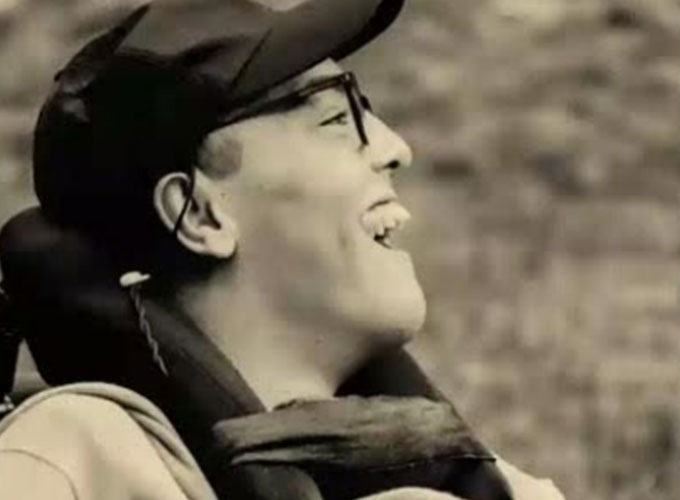
Global Education Campaign Latin America educators discussed approaches in teaching children with deafblindness.You can watch full video here. During the meeting following topics were discussed (the video is in Spanish)
1. Fundamental Principles
Communication is essential for access to knowledge, participation, and the constitution of the individual as a subject of rights. Everyone has something to say and the right to be heard; the context must offer multiple options for expression.
2. Educational Approach
Work is based on an extended curriculum and functional proposals, adjusted to real needs and possibilities. Learning must be meaningful in real contexts (home, school, community) to have an impact on quality of life.
3. Main strategies
Functional assessments:
- Get to know the individual beyond the diagnosis.
- Analyze communicative functions, levels of symbolization, and opportunities in the context.
Total communication:
- Integrate gestures, objects, pictograms, verbal language, signs, and body language.
- Do not focus on a single method, but rather on the natural coexistence of multiple forms.
Communicative environments:
- The physical context also communicates (signage, pictograms, Braille, visual sequences).
- Universal design to ensure accessibility and participation.
4. Resources and practices
Panels and vocabulary: available in common areas and adapted to contexts (e.g., kitchen).
Calendars and agendas: anticipation and time organization (daily, weekly, monthly).
Dynamic and static supports: pictograms, objects, displays, boards.
Active choice:
- Boards with options, voice output buttons, tablets.
- Ensure that the student participates in everyday decisions.
Technology:
- Low technology: simple adaptations, pictograms, objects.
- Medium technology: voice output communicators, push buttons.
- High technology: tablets, computers, visual tracking.
- Key: technology alone does not guarantee communication; it must be integrated into a personalized educational program.
5. Pedagogical conviction
The focus is on the student, not on the resource or method.
Strategies coexist and adapt according to developments and context.
You learn to choose by choosing; active participation is essential.
Technology should be incorporated at the right time, after building prior skills